In brief
China’s latest census data reveals a historic shift: the share of people looking after elderly relatives now exceeds that for children. Over 223 million seniors—about 16 % of the population—are among China’s dependent group, while there are about 213 million children under 15. The one‑child policy and rapid urbanisation have left fewer young people to balance an ageing workforce, creating pressure on pensions, healthcare and family finances. Yet the new trend opens a silver‑economy boom, with businesses targeting senior consumers and the government boosting elder support subsidies.
China’s Generational Flip‑Flop
For the first time, Chinese households are taking care of more older relatives than children. According to the National Bureau of Statistics, 23% of adults now help cover the needs of seniors, surpassing the 22% responsibility for children.
That means more than 223 million people age 65 and over—about 16 % of China’s population—are in the dependent age group. The number of children under 15 is slightly lower, at 213 million.
China’s one‑child policy (1980‑2015) and rapid urbanisation reduced the birth rate. Even after the policy was relaxed, the country has still struggled to bring numbers back up, while the aging number of retirees keeps climbing.
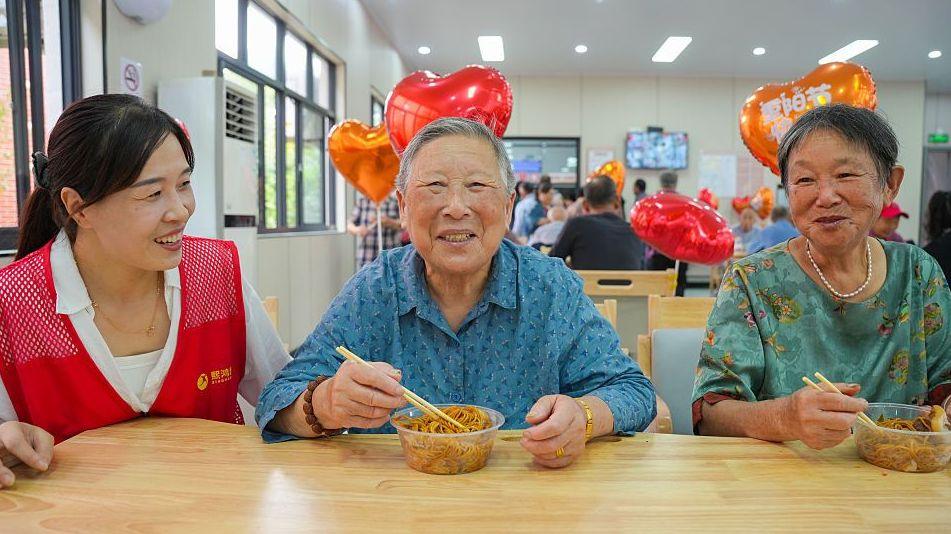
Officials highlight that the shift will strain pensions, health services and long‑term care. It also creates a silver‑economy market: goods and services that cater to older people, from “longevity” noodles to smart home devices.
Experts warn that the dependency ratio—how many dependents per worker—may limit China’s growth potential. “It will shift public spending from schools to pensions and health care,” noted a Hong Kong University of Science and Technology professor. “The country’s economic ambition could be hampered if the working age pool shrinks further,” added an NUS sociologist.
While the numbers signal challenges, they also represent opportunities for tech‑driven elder care, fintech pension products and new business models that keep seniors active and engaged.
For now, the biggest headline: families in China are supporting more elderly people than children—a reversal that could reshape society for decades.