
In brief
A Pew Research Center survey of more than forty‑two thousand people in 36 countries has, for the first time, shown that China is favored more than the United States in 25 of those countries. The study reports record highs in favorable views of China and a decline in U.S. approval, with only six allies still favouring the U.S. China is seen as less of an interferer abroad, while confidence in leaders remains low, especially for the U.S. President. These findings suggest rising Chinese soft power and growing uncertainty around U.S. foreign policy.
A new Pew Research Center survey has shocked many by recording that in 25 of 36 countries, more people view China more favourably than the United States. This is the first time the think‑tank has ever found a majority of countries giving China a higher approval rating than the U.S.
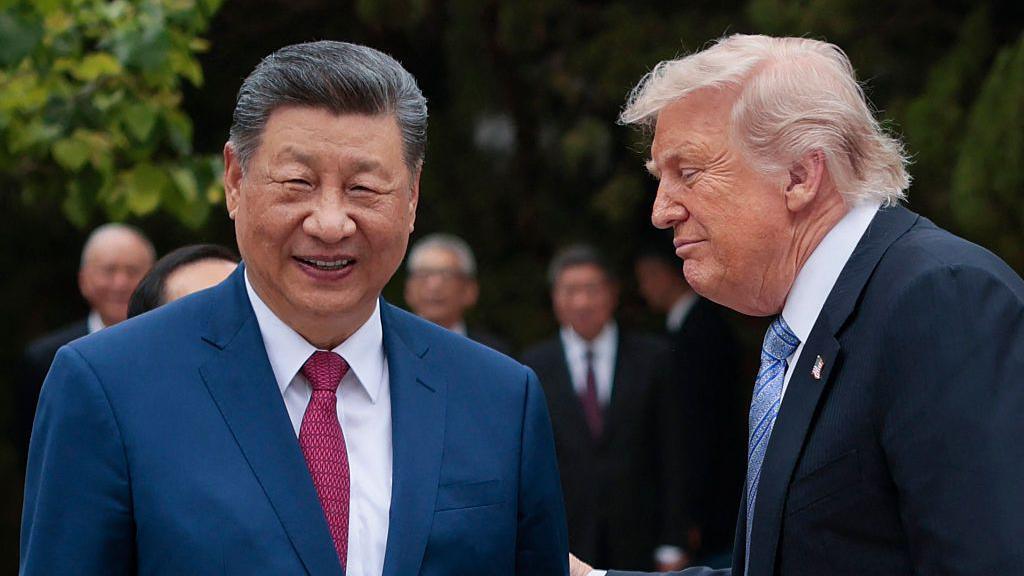
The study polled over 42,000 respondents between February and May. It found that confidence in Chinese leader Xi Jinping is higher than that for former U.S. President Donald Trump, even though overall trust in either leader remains low.
Respondents also said that China interferes less in other countries’ affairs than the U.S. This perception of less interference combined with higher approval led to the record‑high Chinese favorability in places like Spain, Indonesia, Italy, Greece and Canada. In contrast, small numbers of U.S. allies—including Poland, the Philippines, South Korea, India, Japan and Israel—still favour the U.S.
When asked whether governments respect personal freedom, most people still believe the U.S. does so more than China, but the gap has narrowed. A larger share of respondents in middle‑income nations said that U.S. interference is “a fair amount or a great deal,” compared with a smaller share for China.
The survey also found that China’s approval rating has risen in more than a third of the countries studied in recent years, while U.S. approval has fallen steadily in those same surveys. Middle‑income countries typically rate China positively, whereas wealthier nations tend to view China more critically—Singapore is a notable outlier with high GDP per capita and high Chinese approval.
These results are part of a broader trend. Similar research by Gallup and Asia Society shows China edging ahead in global approval, while perceptions of U.S. volatility—especially under Trump—have spurred unease among the public.
The Pew study highlights a shift in global favourability that may influence diplomatic dynamics, economic partnerships, and the future of international relations in a rapidly changing world.