In brief
A growing boycott of US travel is reshaping Canadian vacation plans. Kent Truscott, a family from London, Ontario, cancelled a Texas trip to watch a SpaceX launch and instead enjoyed Nova Scotia’s scenic Cabot Trail. Other Canadians are trading Texas or Florida for trips to Morocco, Spain’s Camino Francés, and even Rome. The boycott, sparked by Trump’s tariffs and political rhetoric, has cost the U.S. about C$3.3 billion in travel revenue, while empowering Canadians to explore their own country and the world.
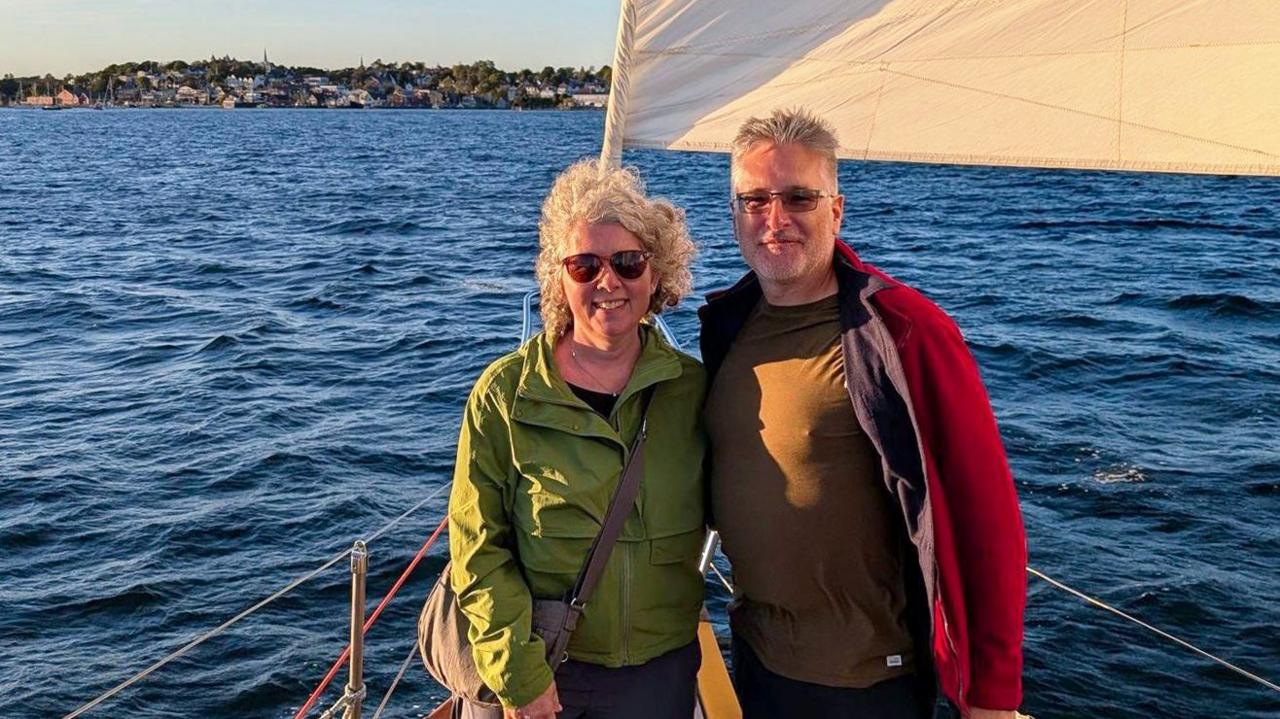
After Donald Trump was re‑elected, a wave of Canadian families began refusing to cross the border for holiday plans. Kent Truscott and his wife, who had previously journeyed to California, New York and Texas, opted instead for a trip to Nova Scotia and Prince Edward Island.
Truscott told the BBC that the decision reflected both his opposition to Trump’s tariffs and the president’s remarks about Canada. The family turned a planned Texas road‑trip—filled with a SpaceX launch view and luxury hotel stays—into a budget‑friendly Canadian adventure. They hiked the Cabot Trail, stayed at an all‑female resort on the Atlantic Ocean, and shared a halibut dinner that would have seemed out of reach outside Canada.
The boycott has not stopped just one family. Lynda Rousseau, who once lived in Texas, cancelled a New York launch cruise, re‑booked for Rome and Barcelona, and is now travelling only to Canada for the winter. Meanwhile, Nick Smith of Vancouver, a former pro‑Trump supporter, abandoned plans to visit Seattle, is now reveling in Morocco’s cities and the Ramadan experience, which he “hasn’t seen in Canada”.
In Canada, the impact can be measured: 800,000 fewer trips to U.S. destinations in April, a C$3.3 billion loss in U.S. travel revenue, and cities like New York offering discounted Broadway tickets to entice Canadian visitors. Many Canadians say the problem is deeper than a single administration and that they would need a new U.S. leader and stronger ties before returning.
Christie Mitchell, who once criss‑crossed the U.S. with an RV, mistook the boycott for a disaster. She redirected her enthusiasm into walking the 790‑km Camino Francés in Spain—a plan she had postponed because of travel costs to Las Vegas. Mitchell says it was “the best way to meet people” and that she would consider returning if relations improved.
For many Canadians, the boycott is a statement of pride in their home country, but it also speaks to a larger trend of choosing local or alternative destinations over the traditionally convenient U.S. options. Whether the trend will change over time remains to be seen, but travelers are now cycling through a menu of global adventures beyond the border.