In brief
Deforestation monitoring shows that the Amazon area burned in 2025 (3.1 m ha) was only 20 % of the 2024 record (15.8 m ha), the smallest burn size since records began in 1985. The decline mirrors a broader national drop, with Brazil burning just 12.7 m ha in 2025 compared to 30 m ha in 2024. Climate experts caution that La Niña conditions reduced the 2025 fires, yet the El Niño‑driven dry season could spike risk again. Lula’s shift from Bolsonaro’s damaging policies is highlighted, but critics note his approval of oil exploration at the Amazon mouth may undercut conservation gains. While the 2025 drop is promising, sustainability experts urge continued vigilance and global cooperation to secure the rainforest’s future.
Deforestation monitoring shows the Amazon area burned in 2025 (3.1 million hectares) was only 20 % of the 2024 record (15.8 million hectares). It’s the smallest burn since they started tracking in 1985.
The drop was even sharper across Brazil – 12.7 million hectares burned in 2025 vs 30 million in 2024 — a win for President Lula’s pledge to hit zero deforestation. But critics say his approval of oil plans on the Amazon basin may undermine protection gains.
Climate scientists flag that 2025’s calmer fires were helped by La Niña’s cooler weather, while the warmer El Niño‑driven dry season could re‑ignite a spike. Across year‑to‑year trends, El Niño is associated with higher wildfire risk.
Why the 2024 record mattered: The Amazon burned its worst area in two decades that year, driven by extreme heat and human activity. The heavy burn cut the rainforest’s ability to absorb CO₂ and threatened millions of species.
What the 2025 drop means: It shows it’s possible to reduce burning with better land‑use management and climate‑adaptation. But that doesn’t guarantee a lasting trend; continued monitoring and policy are vital.
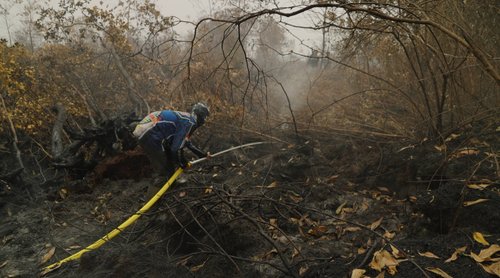
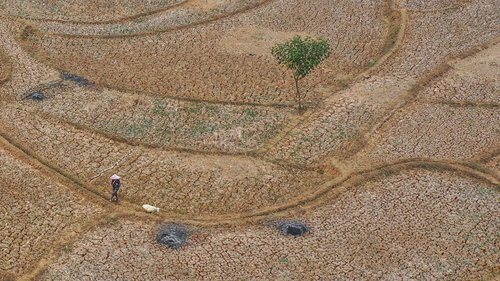
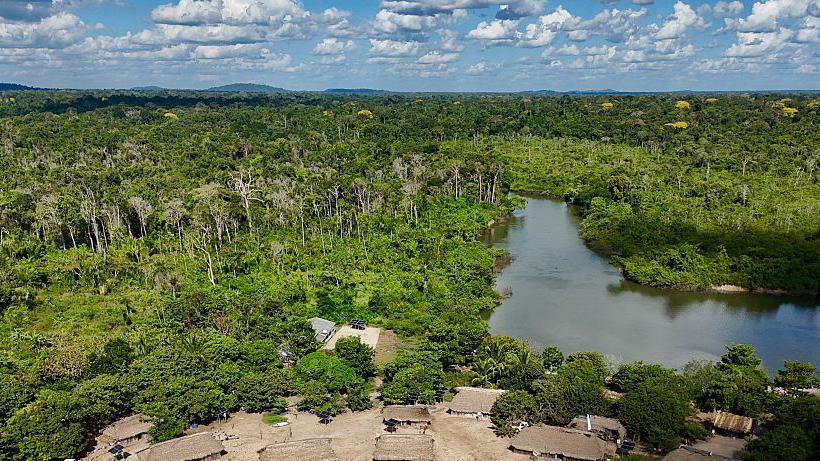
Images and data below illustrate these changes.
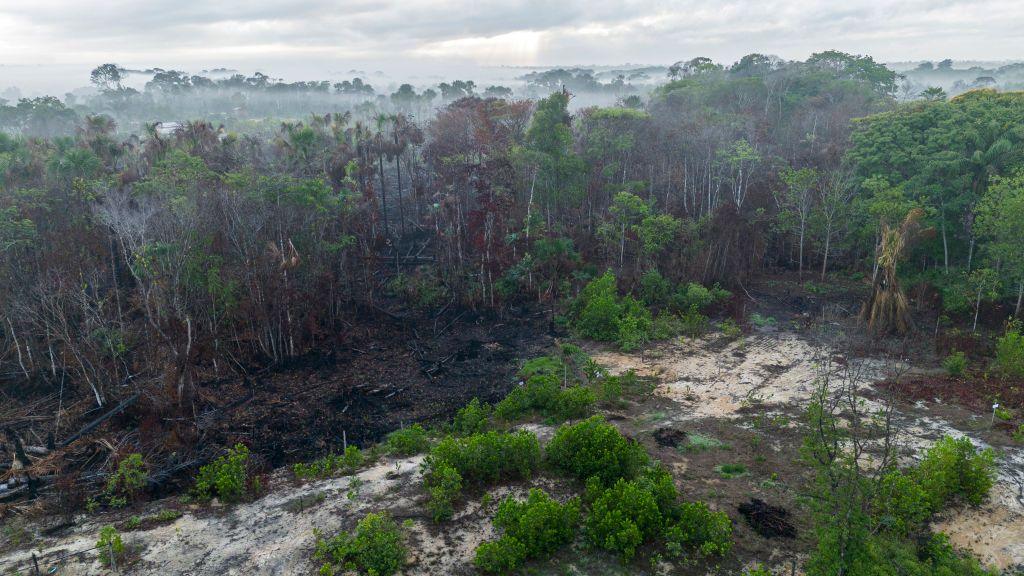
Some 2024 fires left charred scars wide and deep across the region.
Despite the 2025 drop, global warming still threatens future Amazon health. The next decade will determine whether the rainforest can recover and continue to act as the planet’s green lungs.