In brief
Weeks of nationwide protests over land and subsidy reforms led Bolivian President Rodrigo Paz to declare a state of emergency, giving him sweeping powers to clear blockades across the country. Protesters—miners, farmers and indigenous groups—continue to hold roads, demanding the reinstatement of fuel subsidies and the resignation of the president. Congress must approve the emergency measure within 72 hours, while the president blames ex-leader Evo Morales for orchestrating the unrest. The situation escalates as the government signals military support, but the opposition insists the protests are a legitimate push for more equitable economic reforms.
Bolivia’s roads are jammed.
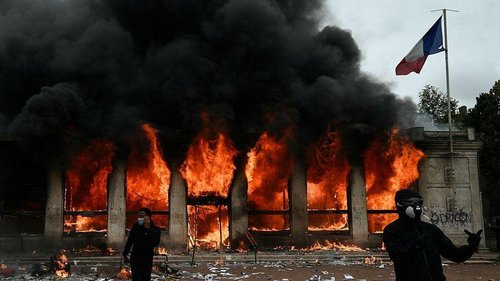
The government has declared a state of emergency to clear the blockades that have cut off essential supplies and shut down cities.
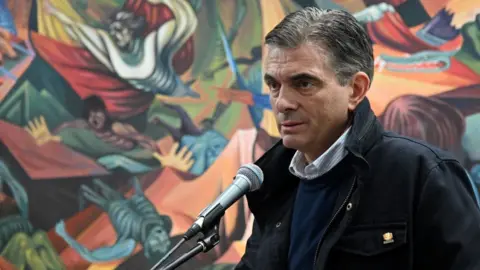
President Rodrigo Paz announced the emergency after a month of protests that have killed several people and arrested hundreds. He said the blockades were an "organised attempt to destabilise the country" and that the emergency would “free the country's roads” and restore normal life.
Protests began at the end of April over Paz’s proposed land‑reform policy, which critics feared would let large landowners buy up small farms. After a deal with the major union, the president scrapped the reform, but farmers, miners and indigenous groups still demand the return of fuel subsidies and a rollback of austerity measures.
The president claims these changes are needed to open Bolivia’s economy to private investment, while demonstrators argue they undermine oversight of natural resources and key economic sectors.
Congress must approve the emergency within 72 hours, and a new bill passed last month would allow the president to deploy troops to quell the unrest. Despite the government’s attempts—cabinet reshuffles, salary cuts for ministers, and a new negotiation council—protests continue and the leadership warns the country is at a “breaking point.”