In brief
Tessa Moura Lacerda's journey to correct her father's death certificate highlights the longstanding trauma from Brazil's military dictatorship. Her struggle for acknowledgment of his torture and death reflects a broader societal need for remembrance and healing, intensified by recent cultural works that reignite the conversation on the past.
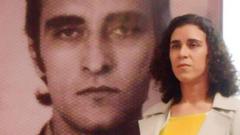
In a rain-soaked government office in August 2019, philosophy professor Tessa Moura Lacerda grasped a crucial document—a death certificate for her father, Gildo Macedo Lacerda, who died under torture in 1973 at just 24 during Brazil's military dictatorship. This certificate marked a victory in Tessa's years-long battle: it correctly stated his cause of death as “unnatural, violent death caused by the State.” The military regime brutally silenced dissent, erasing voices like Tessa’s father's and countless others. Gildo was arrested with Tessa's pregnant mother in Salvador, Bahia, as part of their involvement in a left-wing group opposing the dictatorship. While Mariluce was released after harsh interrogations, Gildo vanished, believed to have died shortly after in a military facility.Nearly two decades later, his legacy remained a haunting absence. Tessa, who never met her father, struggled with a childhood filled with uncertainty, growing fear, and nightmares. “I thought maybe he hadn't died... it’s trauma. I was born with it,” she explained, marking the emotional toll of having no grave to visit or body to lay to rest.The long process of correcting Gildo's death certificate was more than personal; it became symbolic of justice for all victims of the past. Following the re-establishment of a truth commission, Brazil began the multi-year goal of rectifying the death certificates of recognized victims. “It’s a legitimate settling of accounts with the past,” remarked the head of Brazil’s Supreme Court. Amidst the dark history, the film "I'm Still Here" by director Walter Salles has sparked widespread discussion, uncovering buried stories of families impacted by the regime, like Tessa's and that of Eunice, who fought for acknowledgment of her husband's torture and death.Recently, Brazil’s polarizing political climate has rekindled conversations about the dictatorship. Critics of former President Jair Bolsonaro claim his rhetoric echoed the very regime that suppressed dissent, raising alarms over historical revisionism in education. As Tessa and others continue their advocacy, they highlight how past traumas remain tied to contemporary realities.“We must ensure that these deaths weren't in vain,” Tessa asserted. Both she and fellow advocates note the absence of governmental accountability for the atrocities committed during the dictatorship. Even after obtaining new certificates acknowledging their loved ones as victims, they seek formal apologies and legal justice as integral steps towards healing.“The wounds of the dictatorship are national trauma,” Tessa asserted, emphasizing the personal nature of her fight. Despite still facing hurdles, she vows to continue seeking justice for her father, affirming, “I will bury my father.”