In brief
In the hills above the ancient Roman ruins of Sebastia, Palestinian farmers are facing forced seizure of their olive fields as Israel announces a new national park. Local landowners say they’re being told that their land will be sealed off for “archaeological preservation.” UNESCO has added Sebastia to its Heritage in Danger list, warning that the expropriation could split the site between Israeli and Palestinian areas. Israeli activists contend archaeological work is a tool to seize land, while others argue it protects heritage for both communities. The clash over Sebastia mirrors similar tensions at sites like Herodium, highlighting how archaeology can be weaponised in contested regions.
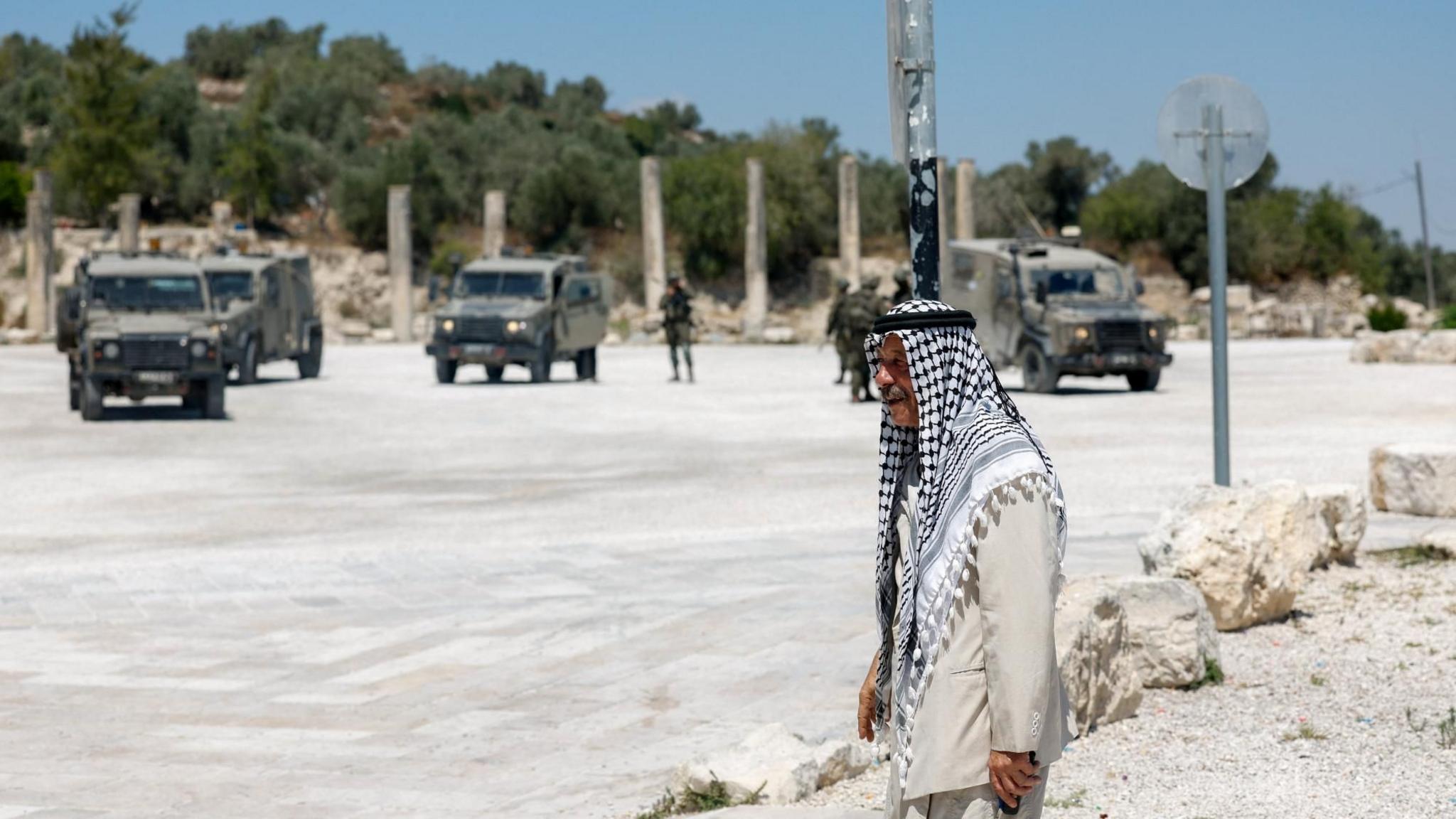
Up in the hills above Sebastia, an ancient Roman forum now faces the risk of being cut off from Palestinian farmers. Israeli authorities have announced the creation of a national park that would cover about 450 acres of olive fields owned by Palestinian families.Abu Mudif says the notice looms like a personal attack: “My soul is ripped away.” He recalls that the first expropriations never paid landowners, and even when they do, many refuse because it recognises the loss of their patrimony.UNESCO has added Sebastia to its World Heritage in Danger list after the Israeli plan could split the site between Area B (Palestinian control) and Area C (Israeli control). The organisation cites that planned expropriation might write a new narrative of history over the ruins.While Israeli archaeologists claim stewardship over the land, activists like Alon Arad warn that the dig is a pre‑text: “Archaeology is being used to seize land.” In Herodium, Israel has already started taking over 80 acres, touting preservation but critics argue it furthers settlement expansion.The debate illustrates a broader trend: the control of heritage sites is being turned into a political tool that can either protect shared history or reinforce division. The outcome will affect not only who walks the ruins but also the cultural memory of the region.