On the plains of northwestern Iran, edged by snow-ribboned ridges, spring nudges almond trees into frothy bloom while a fragile ceasefire brings an influx of traffic onto highways and a return of more Iranians to their homeland.
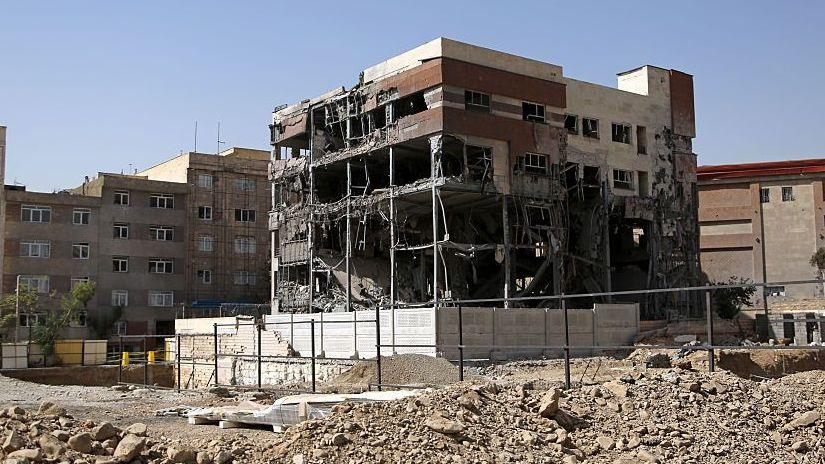
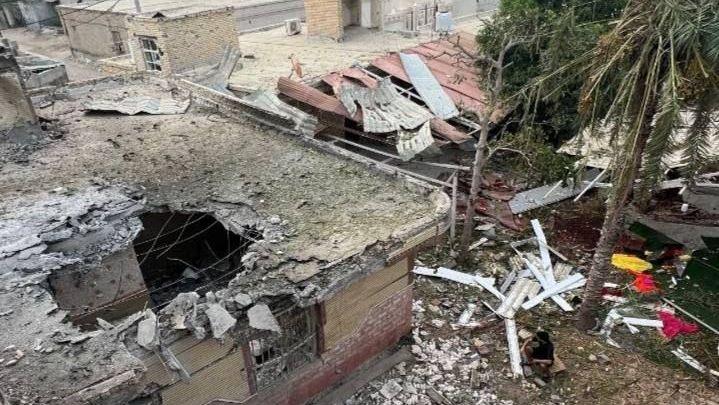
I stayed with my son in Turkey for a month, a grey-haired banker shared as we waited in a Turkish departure hall. Speaking about the airstrikes in northern Iran, he summarized his experience of the violence: In my city, the Israeli and American airstrikes mainly hit military targets, not homes and civilian infrastructure, reflecting the impact of five weeks of war, teetering on the edge of a two-week truce.
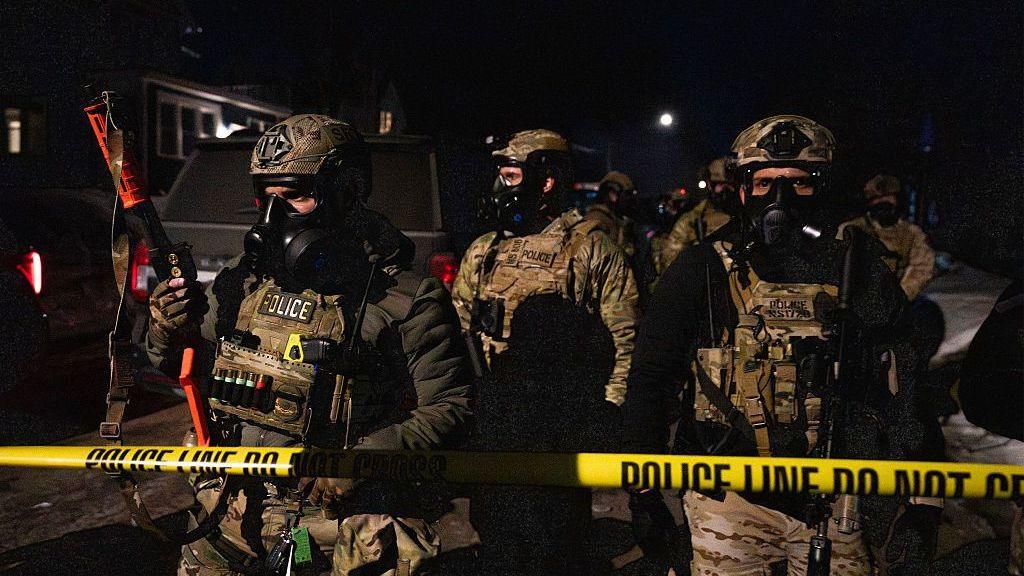
Others express worry, like a woman in a headscarf who lamented the suffering of young Iranians from the violence and the presence of Iran's Basij paramilitary forces. She whispered, It’s all in God’s hands,” her gaze towards the sky capturing the somber mood.
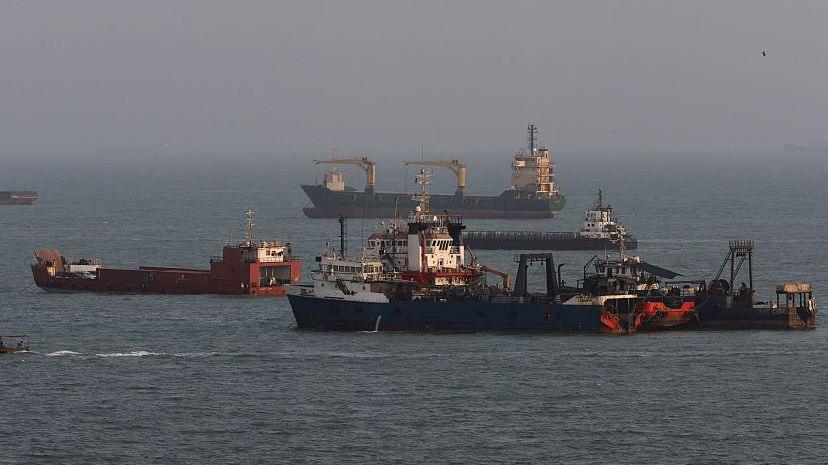
Meanwhile, skepticism about the ceasefire’s longevity surfaced among the younger generation. A woman in a red jacket proclaimed, Of course, the ceasefire won't hold. Iran will never give up its control of the Strait of Hormuz.”
As the journey to Tehran continued, a man echoed the sentiments of many. Trump will never leave Iran alone; he wants to swallow us! On the long drive, one couldn't help but reflect on US President Trump's influence over Iran as scores of bridges glinted under the spring sun, underscoring the fragility of safety and stability in the region.
Amid these conversations, a highway banner displayed portraits of Iran’s supreme leaders, especially during this turbulent time, with reports of political negotiations underway between US and Iranian officials hinting at the possibility of diplomacy reopening between these long-time adversaries. Yet, the road ahead remains rocky, with concerns over the impact on everyday lives and the hopes for lifting deep-set sanctions looming large among the populace.