In brief
After an Air India flight lost altitude, investigators eyed a cannabis‑positive test. But THC lingers in the body long after a pilot stops flying, so a positive result doesn’t prove a drug‑caused mishap. Studies show pilots’ performance can drop for hours after use, yet impairment is hard to time accurately. Air India, Canada and the U.S. all wrestle with how to use drug tests to protect skies.
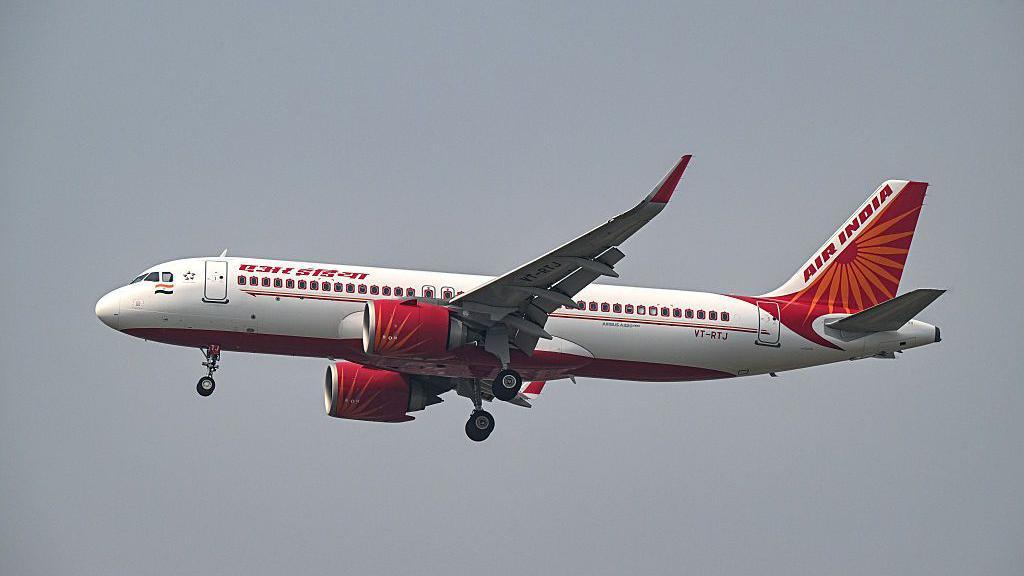
A high‑profile incident rattled Air India when a flight from Phuket to Delhi lost about 300 feet. Investigators had the captain’s urine sent for drug testing, and early reports said THC met the threshold for a positive result.
Because cannabis can stay in the body for days, a “positive” reading doesn’t automatically mean the pilot was high at that moment. Studies on pilots who smoked marijuana show errors in altitude and heading for up to six hours, but the most severe effects usually vanish after five to eight hours.
Even the newest Canadian rule bars flight crews from using cannabis within 28 days of duty, a blunt workaround to an otherwise fuzzy science problem, while the U.S. reports link drug presence with accidents but not impaired performance.
In the end, Air India will need to confirm what, if any, THC was in the captain, how it was measured, and whether the levels could explain a sudden drop in altitude. A drug test can’t tell the whole story—it’s just one data point in a multi‑layered investigation.