In brief
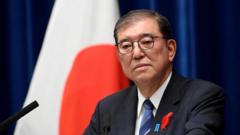
On Sunday, Japanese citizens cast their votes in a high-stakes election that could redefine Prime Minister Shigeru Ishiba's leadership amid rising prices and tariff pressures from the US. The ruling Liberal Democratic Party (LDP), along with their coalition partner Komeito, needs to win at least 50 seats to maintain their majority in the upper house, but current polls suggest they may not hit that mark. The dissatisfaction among voters stems from economic concerns, such as a severe rise in rice prices and looming tariffs that threaten Japan's automotive industry.
Despite efforts to negotiate with the US, including multiple visits from trade envoys, Ishiba's administration has yet to cement a deal. Meanwhile, the populist Sanseito party is gaining ground, appealing to younger voters through active social media engagement with their "Japanese First" campaign. Should Ishiba's coalition fail to secure a majority, it may result in loss of leadership and increased instability, a significant shift for a party that has dominated Japanese politics since 1955.