In brief
A new three-day ceasefire proposed by President Putin raises questions about sincerity and strategic motives, especially given past ceasefire accusations.
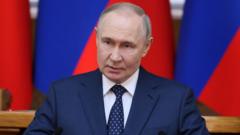
In the wake of Russia's recent announcement of a three-day ceasefire from May 8 to 10, many are questioning the true intentions behind this move. President Vladimir Putin has previously called for brief halts in fighting, claiming they were humanitarian gestures. This latest ceasefire, aimed to coincide with the 80th anniversary of World War Two, raises eyebrows as Ukraine's Foreign Minister Andrii Sybiha demands a longer, immediate truce instead.While Moscow insists on a humanitarian angle, critics suspect that it’s more about public relations than peace. The prior "Easter ceasefire" was marred by accusations of violations from both sides. President Putin's intention seems to be casting Russia as the peacemaker while framing Ukraine as obstructive. Recent comments from U.S. President Donald Trump indicate skepticism towards Putin’s claims of wanting peace, suggesting that deeper negotiations or sanctions may be necessary to address the ongoing conflict. The U.S. administration is showing signs of frustration and has pushed for a comprehensive ceasefire, which Russia has yet to agree to.As Russia promotes the ceasefire, senior officials are already casting doubt on Ukraine’s willingness to participate, signaling ongoing tensions. Will this call for a truce lead to genuine peace efforts, or is it just another strategic maneuver in the complex interplay of international relations?