In brief
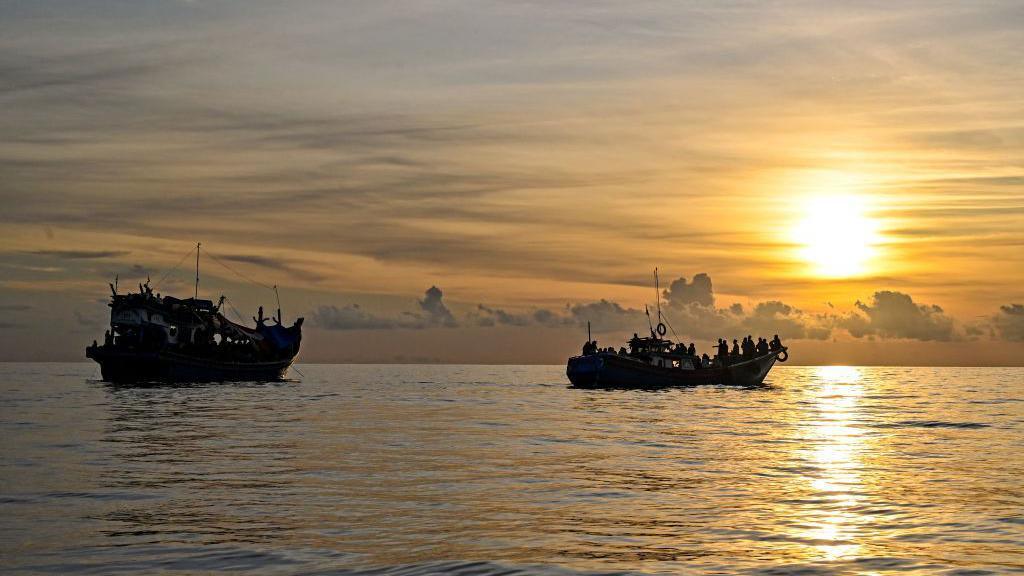
Two overloaded boats left Myanmar’s Rakhine state on 29 June carrying 530 refugees, but they never returned. Rough monsoon seas and unfit vessels made capsizing almost inevitable, with the loss of most—many women and children—likely. Forced smuggler routes and flooded camps in Bangladesh push Rohingyas to risk perilous sea voyages to Malaysia or Indonesia, while governments steer clear of giving them safe passage. A year after the incident, the UN still calls for safer, legal migration routes.
Two overloaded fishing‑trawlers left Myanmar’s Rakhine state on 29 June, carrying an estimated 530 refugees—most women and children. They never returned. Rough monsoon seas and poorly maintained boats made capsizing almost inevitable, meaning the loss of most passengers.
Why the risk? Rohingyas face war and persecution in Rakhine and crowded camps in Bangladesh. Smugglers line up long sea hops to Malaysia and Indonesia, charging families up to $4,000 for a desperate escape. The sea route is the only way out once land routes are cut.
Bangladesh rescue crews recovered a body a week later, and fishermen later found more along the coast, confirming a tragedy at sea with no survivors expected.
The UN and aid groups call for safer migration routes. Without government support, Rohingyas remain trapped, with smuggler routes shifting from sea to land via Thailand as naval interdictions rise.
The boat tragedy reflects a wider crisis: thousands flee Myanmar every year, crossing dangerous waters and risking life for hope of safety abroad.