In brief
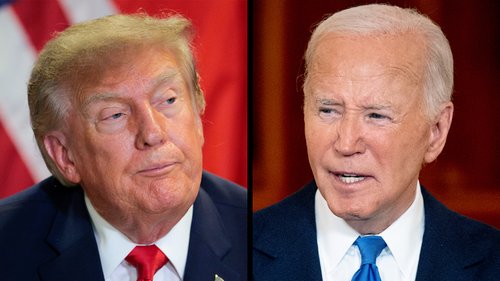
In the latest political wave, Israeli leaders are celebrating Donald Trump's presidential win, viewing it as a significant advantage for Israel. Known for his unwavering support, Trump did not shy away from challenging established diplomatic norms. During his first term, he introduced pivotal policies that transformed U.S.-Israel relations.
One highlight was the Abraham Accords, which marked a historic shift as several Arab nations, including Bahrain and the UAE, recognized Israel diplomatically. This expansion of connections previously limited to Egypt and Jordan bolstered Israel's regional standing against adversaries like Iran.In another bold move, Trump acknowledged Jerusalem as Israel's capital in 2017, breaking away from previous diplomatic conventions that favored negotiation for the city's status. This decision led to relocating the U.S. embassy from Tel Aviv to Jerusalem, igniting mixed reactions internationally, especially among Palestinians keen on having East Jerusalem as the capital of a future state. Overall, Trump's policies have not only changed Israel's diplomatic landscape but have also laid the groundwork for future discussions in a volatile region.