In brief
While opinion polls show that the British public is not fond of Elon Musk, his social media presence can shift political narratives, especially concerning sensitive topics like child exploitation. His recent comments have garnered support from right-wing political figures and sparked calls for new investigations, showcasing how online influencers can disrupt traditional political landscapes.
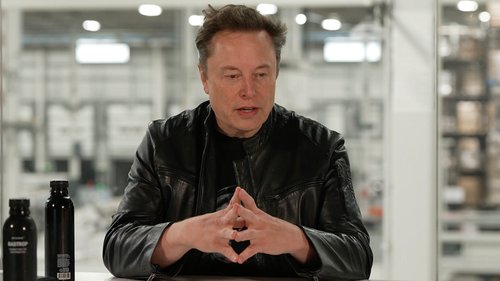
Elon Musk, the polarizing figure and head of X, has made headlines in the UK not for popularity but for his impact on politics. Though polls signal significant dislike among the British public and a decline in followers on his platform since he took over in late 2022, Musk's recent tweets have tackled serious issues, notably a long-standing child abuse scandal. His wealth and a connection to U.S. President Donald Trump amplify his voice, taking advantage of a divided British media landscape. After Musk urged the UK to launch a national inquiry into historical sexual exploitation cases—most notably a scandal involving grooming gangs in Rotherham—his comments were echoed by Conservative Party leader Kemi Badenoch, despite previous Conservative governments ignoring calls for such investigations.Meanwhile, the Labour government, which gained power in July, is focused on addressing recommendations from earlier inquiries rather than pursuing new ones, indicating a clash of priorities fueled by external pressures. This situation illustrates how a major player like Musk can intentionally or unintentionally influence key political agendas even amid unpopularity.