In brief
This historical shift marks a leap toward greater security and independence for Estonia, Latvia, and Lithuania.
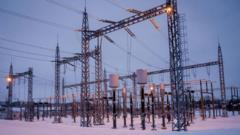
The Baltic states—Estonia, Latvia, and Lithuania—have officially disconnected from Russia's electricity grid and integrated into the European Union’s power network. This significant move, years in the making since 2007, was accelerated by security concerns following Russia's invasion of Ukraine in 2022. EU chief Ursula von der Leyen celebrated the moment as one of "freedom from threats and blackmail" during a ceremony in Lithuania’s capital. This step symbolizes enhanced security for the region, as Polish President Andrzej Duda emphasized its importance in reducing dependence on the post-Soviet Russian influence.The three nations had avoided purchasing electricity from Russia since last year but were still reliant on the Brell grid—controlled mainly by Moscow. The transition is estimated to have cost around €1.6 billion, with the EU providing the majority of the funding. During the event, concerns were raised about possible Russian retaliation following the switch, especially in light of recent sabotage incidents involving undersea cables in the Baltic Sea. Lithuanian President Gitanas Nauseda called for tougher measures against Russia's shadow fleet, while NATO launched a new patrol mission, Baltic Sentry, to safeguard the region. Ukrainian Energy Minister German Galushchenko hailed the disconnection as a "significant event for the whole of Europe," marking a turning point in energy independence for the Baltic states.