In brief
As the Biden administration pushes for diplomatic solutions, conflicting positions complicate the future of peace in the region.
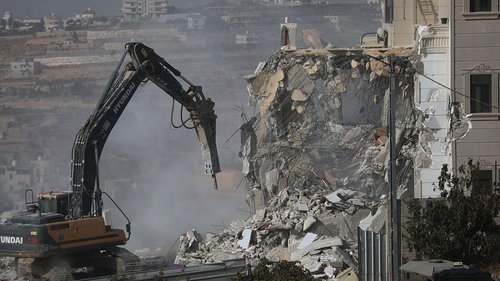
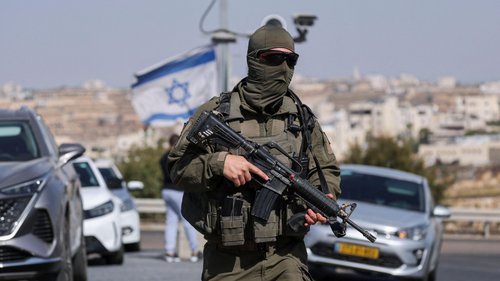
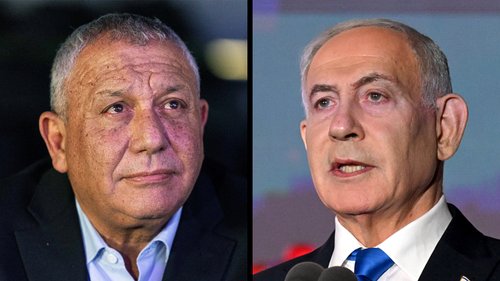
As talks regarding a cease-fire in Gaza continue, analysts predict limited progress until after the U.S. presidential election on November 5. Key envoys from Israel, Egypt, the U.S., and Qatar are discussing a truce in Doha, yet many officials believe Prime Minister Benjamin Netanyahu is waiting to see the election results before committing to any decisions.A senior leader from Hamas has dismissed proposals for a temporary cease-fire, emphasizing a need for a permanent solution instead. Despite the recent death of Hamas's leader, hopes for a rapid shift in their position seem dashed. On the other hand, Netanyahu’s stance aligns with maintaining military pressure, reliant on a coalition that could destabilize his government if Hamas is perceived to strengthen.As dynamics shift with a new U.S. administration potentially on the horizon, both Israel and Hamas remain entrenched in their positions, leaving the Gaza crisis unresolved and vulnerable as winter approaches.