In brief
At Harpers Ferry, where history meets modern storytelling, President Trump's campaign to sanitize America's past confronts the harsh realities of slavery. As park officials reassess historical narratives, the struggle between truth and revisionism comes to light, especially for descendants like Brianna Wheeler, who demand authenticity in recounting their ancestors' stories. The challenge? Balancing uplifting tales of progress with the complex and often painful truths that shape the American experience.
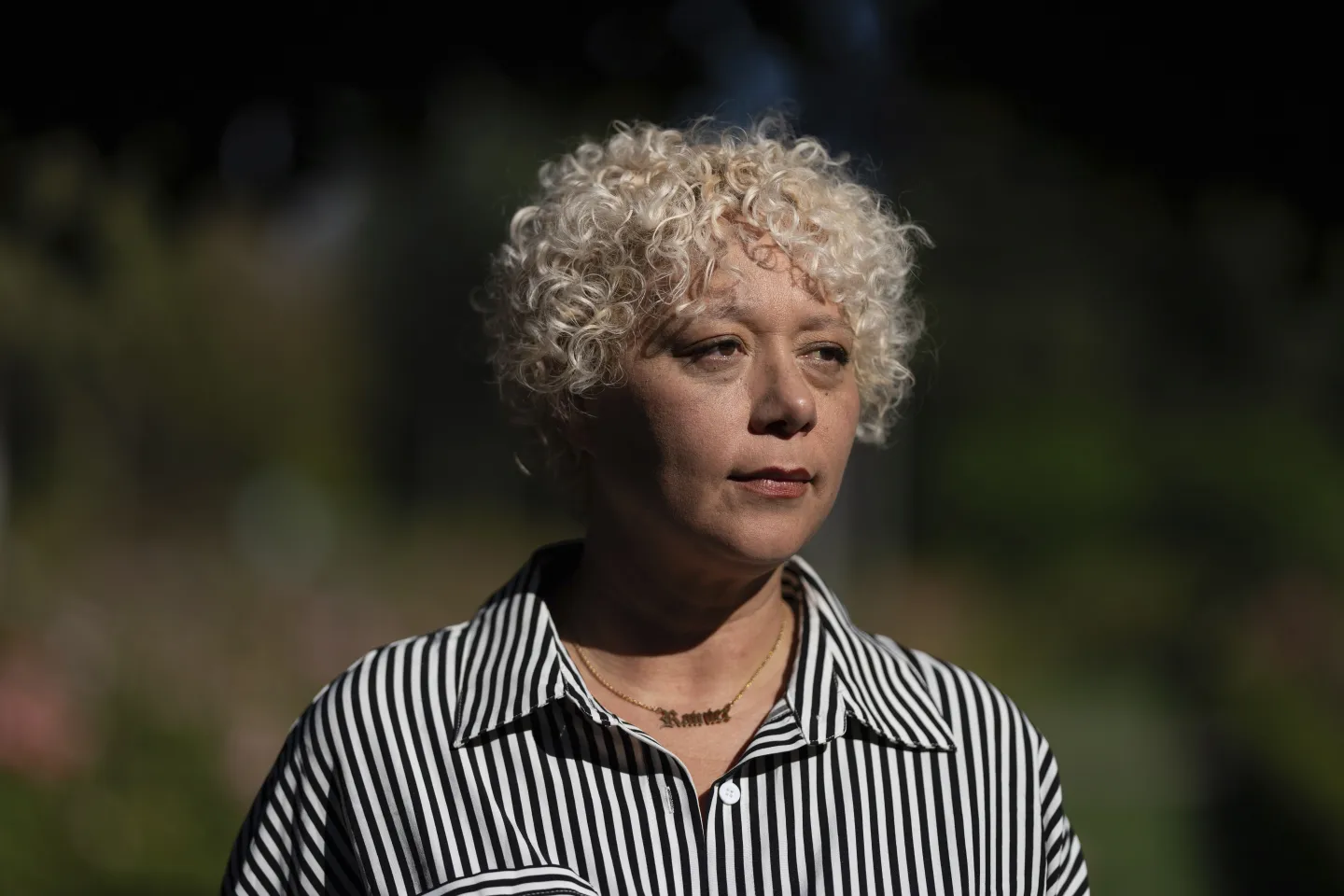
HARPERS FERRY, W.Va. — President Donald Trump's campaign to reshape the narrative of American history meets its toughest challenge in discussing slavery. At Harpers Ferry National Historical Park, the National Park Service is tasked with revamping historical materials to avoid 'inappropriate disparagement' of Americans. While some signs are set for revision, iconic displays about the brutality of slavery remain, sparking debate among historians and park officials.Brianna Wheeler, a descendant of abolitionist John Brown's raiders, emphasizes the importance of preserving history's truth, declaring, 'You can’t erase that. It’s our obligation to not let that be erased.' As changes are implemented under a new directive, questions about censorship arise, with over 1,000 items flagged for review.While history must be respected, balancing a narrative that highlights achievement alongside the reality of slavery and oppression remains a contentious issue. Wheeler believes acknowledging these complex legacies is crucial: 'This country must know what really made America.' Educators and park rangers will continue to grapple with this challenge, ensuring that every aspect of the American story—both uplifting and painful—appears in history's tapestry.