In brief
In the Pilbara region of Australia, autonomous trucks are changing the way we think about mining, bringing both safety and efficiency to the forefront.
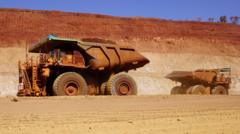
Giant driverless trucks, weighing 300 tonnes, are turning heads in the Greater Nammuldi iron ore mine in Western Australia. Operating without a human at the wheel, these machines symbolize innovation in an industry known for its challenges. Rio Tinto's fleet of more than 50 autonomous trucks navigates the vast mining area with precision.The trucks follow pre-defined routes while a control center monitors their activity from 1,500 kilometers away in Perth. Enhancements in technology, including GPS and laser sensors, allow these vehicles to detect obstacles, improving worker safety amidst a traditionally hazardous environment.Despite fears of job losses due to automation, the data suggests otherwise. Workers have adapted, transitioning to roles that command the autonomous systems, which has allowed for a safer and more productive work environment. Rio boasts a 15% increase in productivity attributed to these advancements.However, the shift to automation isn’t without its challenges. Over-reliance on technology and the complexities of remote monitoring raise questions about the future of human roles in the industry. The continuous evolution of equipment highlights the dynamic nature of these operations, with Rio Tinto eager to implement even more automated solutions. As these robot trucks continue redefining the mining landscape, the juxtaposition of human adaptability against mechanical precision stands testament to a rapidly evolving industrial world. Will this be the future of mining, or just a stepping stone towards newer innovations? Only time will tell!