In brief
With the help of advanced handheld devices, volunteers are identifying harmful methane leaks in Washington DC, linking them to health issues like asthma while confronting the challenges of tracking this potent greenhouse gas.
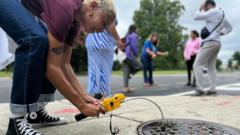
In and around Washington DC, local volunteers and activists are taking to the streets and homes to measure air quality. Equipped with industry-grade devices that resemble walkie-talkies, they are collecting data on various gases, including methane. This colorless gas can be tricky to detect but is a significant contributor to global warming and health risks.During a recent 25-hour study, researchers uncovered 13 outdoor methane leaks that exceeded safe limits, further alarming health advocates aware of the methane's association with respiratory issues like asthma. Djamila Bah, a community leader, highlighted the shocking statistic that one in three children in the surveyed homes is affected. While methane emissions come from multiple sectors, tracing them is not straightforward. Handheld sensors and infrared cameras can effectively identify sources, whether from gas stoves or agricultural practices. Multiple monitoring technologies, including drones and vehicle-mounted devices, are being utilized to enhance detection.An important player in this analysis is the Tanager-1 satellite, launched in August 2024, specifically designed to identify large methane emissions. This satellite improves detection capabilities, allowing for a better understanding of where emissions come from, making it easier to hold responsible parties accountable.Challenges remain for satellite monitoring, especially in difficult terrains like snow-covered oil fields or densely vegetated areas. However, advancements are being made to enhance satellite sensitivity.The recognition of methane leakage is improving, with projects like the Methane Alert and Response System (MARS) now being used to spot leaks through satellite data. Despite a low response rate to alerts, optimism is high that awareness and action will grow.Local communities are empowered by this information, helping them address air pollution more effectively. As Joelle Novey from Interfaith Power and Light states, "Now that we know better, we can do better."